Stack
Stack data structure is a linear data structure that accompanies a principle known as LIFO (Last In First Out) or FILO (First In Last Out).
implementing stack using linked list
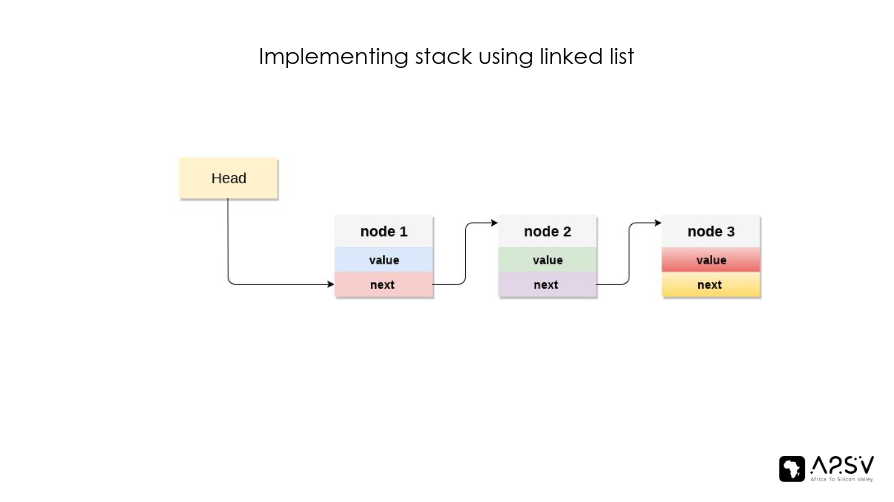
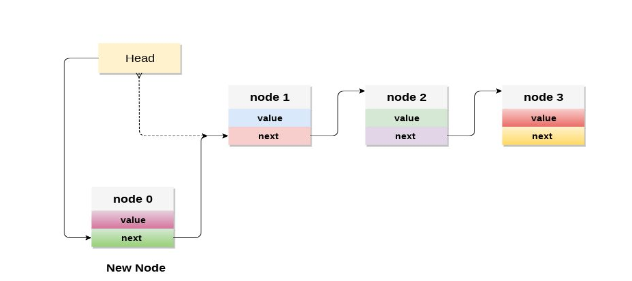
push operation
- initialize a node
- update the value of the node with data
- now link this node to the head of linked list
- update the pointer to the current node (head = node)
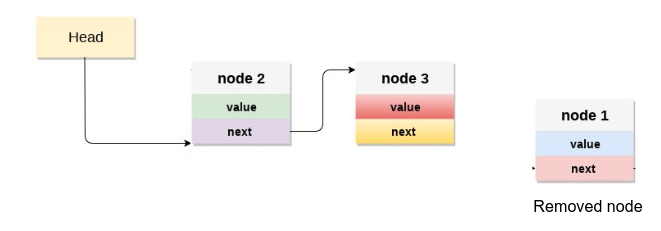
pop operation
- first check whether there is a node in the linked list, if not return
- otherwise make a pointer let say temp point to the top node and move forward the top node one step
- now free the temp node
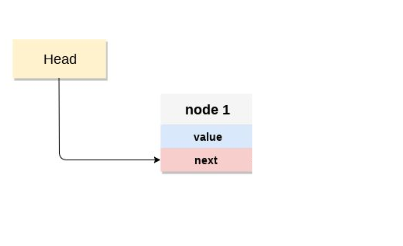
top operation
- check whether there is a node in the linked list if not return
- otherwise return the value of the top node of the linked list at the head
Related
- DSA MOC — Full map of DSA topics
- Recursion — Call stack is a stack; recursion uses LIFO implicitly
- Graph Theory — BFS uses queues; DFS uses stacks; monotonic stacks for next-element problems
- Binary Search — Binary search can use stack-based iteration
- Two Pointers — Stack/queue alternatives for some two-pointer problems
- trees — Stack for iterative tree traversal; queue for level-order traversal